
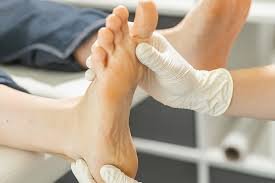
A plantar plate tear is a common injury affecting the ligaments on the bottom of the foot, often occurring at the base of the toes. This condition can cause pain, instability, and difficulty walking or bearing weight. Proper rehabilitation is crucial to restore foot stability, prevent deformity, and ensure a safe return to daily activities or sports. Professional guidance combined with structured at-home care leads to optimal recovery outcomes.
For expert advice and rehabilitation strategies, you can access detailed resources at 출장.
Understanding Plantar Plate Tears
The plantar plate is a thick ligament that stabilizes the joints at the ball of the foot, particularly the metatarsophalangeal joints. Tears can occur gradually due to overuse, repetitive stress, or suddenly from trauma, such as stubbing a toe. Symptoms typically include:
-
Pain under the toe, especially when walking or standing
-
Swelling or bruising around the joint
-
Toe drifting upward or splaying outward
-
Difficulty performing push-off movements while walking or running
Early recognition is key to preventing progression to chronic instability or toe deformities such as hammertoe.
Causes and Risk Factors
Plantar plate tears often result from:
-
Repetitive high-impact activity, such as running, jumping, or dancing
-
Wearing ill-fitting or narrow shoes that compress toes
-
Trauma or sudden hyperextension of the toe
-
Weak intrinsic foot muscles that fail to stabilize the joint
Individuals with a history of foot injuries, high arches, or ligamentous laxity are particularly vulnerable.
Licensed Rehabilitation Approach
Professional rehabilitation focuses on restoring stability, reducing pain, and preventing recurrence. The plan usually includes:
1. Initial Rest and Protection
-
Avoid high-impact activities
-
Use supportive footwear or orthotics to offload pressure
-
Consider taping techniques to maintain joint alignment
2. Controlled Mobility Exercises
Once pain decreases, gentle range-of-motion exercises help maintain joint flexibility without stressing the plantar plate.
3. Strengthening Intrinsic Foot Muscles
Targeted exercises for the small muscles of the foot are critical for stability:
-
Toe curls using a towel or resistance band
-
Marble pickups or toe scrunches
-
Short foot exercises to lift the arch
Strengthening these muscles redistributes load and protects the plantar plate from further injury.
4. Balance and Proprioception Training
Balance exercises, such as standing on one foot or using a balance pad, retrain the foot to respond to uneven surfaces and improve overall stability.
5. Gradual Return to Activity
A structured, stepwise return plan ensures safe reintegration into daily activities or sports. This may involve:
-
Low-impact activities like swimming or cycling
-
Gradual walking or running intervals
-
Monitoring for pain and swelling at each stage
Returning too quickly to high-impact activity increases the risk of recurrent tears or chronic instability.
Supportive Footwear and Orthotics
Footwear plays a vital role in plantar plate rehabilitation. Shoes should provide:
-
Adequate cushioning in the forefoot
-
Wide toe box to avoid compression
-
Arch support to reduce stress on the metatarsal joints
Custom orthotics may also be prescribed to correct alignment and support proper foot biomechanics.
Pain and Swelling Management
Cold therapy, over-the-counter anti-inflammatories, and elevation can reduce pain and swelling in the acute phase. Taping or splinting may also provide relief while stabilizing the toe.
Nutrition and Recovery
Adequate nutrition supports tissue repair. Focus on:
-
Protein for ligament and tissue regeneration
-
Calcium and vitamin D for bone health
-
Anti-inflammatory foods to reduce swelling
Proper hydration also supports circulation and healing in the foot.
Monitoring Progress and Follow-Up
Regular follow-up with a licensed healthcare provider ensures that rehabilitation is effective and allows adjustment of exercises or orthotics as needed. Imaging may be used in persistent cases to confirm healing.
For step-by-step guidance and professional resources on plantar plate tear rehab, 출장 offers expert-backed advice.
Preventing Future Injury
Once recovered, preventive strategies include:
-
Gradual increase in training intensity
-
Strengthening and flexibility exercises for foot and ankle
-
Choosing supportive, well-fitted footwear
-
Avoiding repetitive overloading without rest
Maintaining foot strength and stability reduces the likelihood of recurrence and improves overall mobility.
Final Thoughts
Professional plantar plate tear rehabilitation focuses on restoring foot stability, strengthening intrinsic muscles, and gradually returning to activity. Combining licensed guidance with consistent home care ensures a safe, efficient recovery. Early intervention, structured rehab, and preventive strategies are key to achieving long-term foot health and preventing future injuries.
For additional rehabilitation resources, expert exercises, and recovery strategies, visit 출장.